Over the past decade, the concept of longevity has evolved from a niche interest among researchers and health enthusiasts into one of the defining conversations in modern health and wellness. This shift is driven not only by the fact that people are living longer than ever before, but by a growing realization that a longer life does not automatically mean a healthier or more fulfilling one.
In developed societies, life expectancy continues to increase, yet many people experience chronic fatigue, poor recovery, disrupted sleep, metabolic dysfunction, chronic inflammation, and declining vitality relatively early in life. As a result, the question of longevity today is no longer simply how long we live, but how well we live.
Modern science is therefore placing increasing emphasis not only on lifespan, the total number of years we live, but on healthspan: the period of life spent in good physical, cognitive, and metabolic health, free from major chronic disease and functional decline.
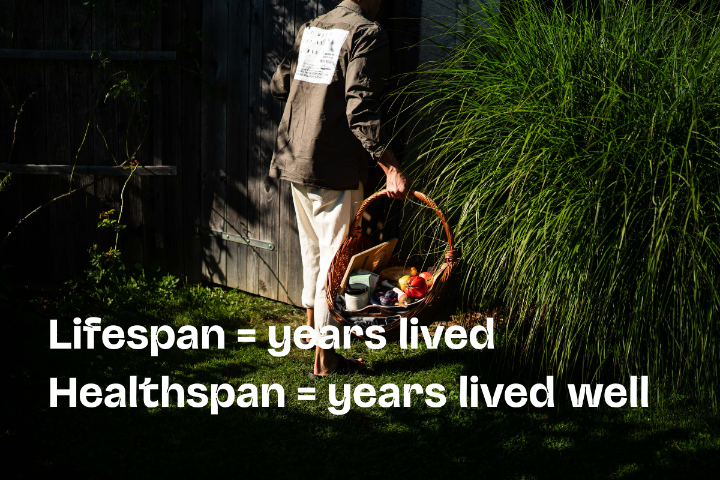
Longevity is not just about genetics
Longevity is often perceived as something primarily determined by genetics. While inherited factors undeniably play an important role, research paints a far more nuanced picture.
Twin studies suggest that genetics account for approximately 10-30% of differences in lifespan between individuals, while the remaining variation is largely influenced by lifestyle, environment, and everyday behavioral patterns. These factors include nutrition, sleep quality, physical activity, stress levels, social relationships, and broader environmental exposures.
This means that ageing is not entirely predetermined. Our bodies continuously respond to signals from the environment, and lifestyle plays a major role in shaping how we age and how long we maintain functional health.
Food is more than fuel: it is a biological signal
In modern nutrition science, food is no longer understood solely as a source of calories or energy. Increasing evidence suggests that nutrition acts as a regulator of numerous biological processes directly involved in ageing.
What we eat influences:
- chronic inflammation,
- blood sugar regulation,
- hormonal balance,
- immune system function,
- gut microbiome health,
- oxidative stress,
- tissue regeneration,
- metabolic health.
Particularly important is the distinction between nutrient-dense foods and ultra-processed foods, which are often calorie-rich but poor in fiber, micronutrients, and bioactive compounds.
Research consistently links dietary patterns rich in vegetables, legumes, high-quality protein, fiber, and fermented foods with improved metabolic health and a lower risk of chronic diseases commonly associated with accelerated ageing.
Why the Gut Microbiome Has Become Central to Longevity Research
One of the fastest-growing areas of longevity research explores the relationship between gut health and healthy ageing.
The gut microbiome, the ecosystem of trillions of microorganisms living within the digestive tract, is increasingly understood to influence a wide range of biological processes beyond digestion, including immune regulation, inflammatory responses, metabolic function, and communication between the gut and the brain.
It influences:
- immune system function,
- inflammation regulation,
- nutrient absorption,
- metabolism,
- production of key metabolites,
- communication between the gut and the brain.
Research suggests that reduced microbial diversity is associated with poorer metabolic health and increased inflammation, both of which are commonly linked with age-related decline. Conversely, diets rich in fiber, fermented foods, and diverse plant-based ingredients appear to support microbial diversity and may contribute to healthier long-term outcomes.
In other words, long-term health is shaped not only by how much we eat, but also by how effectively we nourish the ecosystem within us.
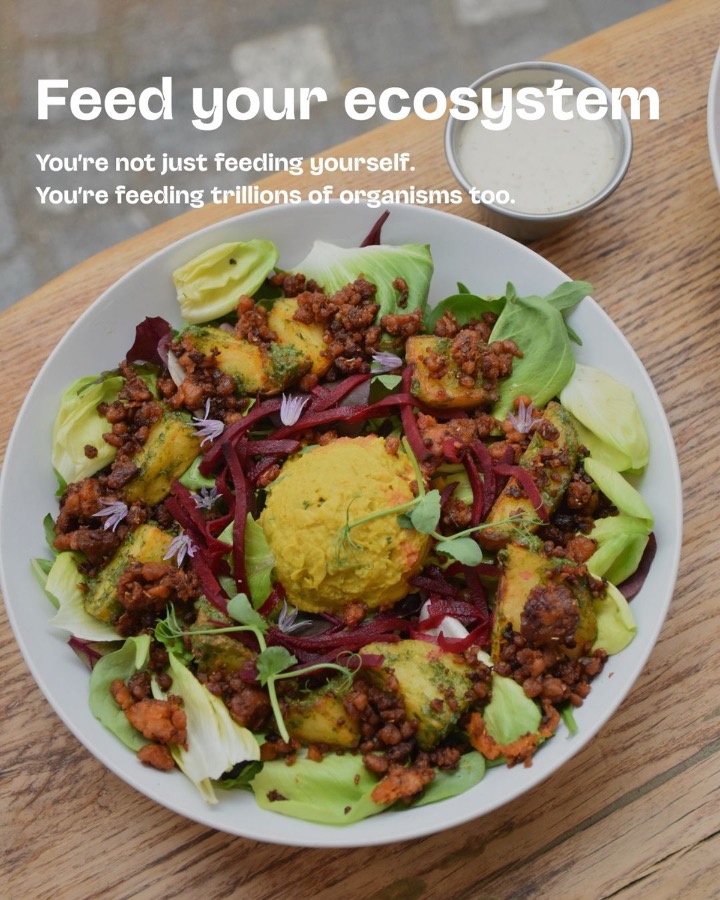
Longevity is not about extremes. It is about consistency
Modern wellness culture often promotes the idea that optimal health requires perfect routines, expensive supplements, or advanced biohacking protocols. However, longevity research consistently points toward a far simpler reality.
The strongest drivers of long-term health remain the fundamentals:
- nutrient-rich nutrition,
- regular physical movement,
- quality sleep,
- maintaining muscle mass,
- effective stress management,
- strong social relationships,
- adequate recovery.
While wellness trends often focus on short-term interventions, evidence increasingly suggests that long-term health outcomes are shaped by repeated everyday behaviors rather than isolated “health hacks.”
Longevity, therefore, is not about perfection. It is about consistency, the accumulation of habits repeated often enough to shape our biology over time.
The future of food will be functional
Consumers today increasingly expect food to do more than simply satisfy hunger or taste good. More people are actively seeking foods that support energy, recovery, metabolic health, and long-term vitality.
This shift is fundamentally changing how we think about nutrition.
The question is no longer simply: Does this taste good?
Increasingly, the question becomes: How will this affect my body ten or twenty years from now?
This is why topics such as nutrient density, fermented foods, microbiome health, and anti-inflammatory dietary patterns are becoming central to conversations about the future of health.

What can we learn from the world’s longest-living communities?
Some of the most valuable insights into healthy ageing come from the so-called Blue Zones - regions of the world where people consistently live longer and healthier lives than the global average.
Rather than relying on extreme diets or technological optimization, these communities tend to follow simple and sustainable eating patterns built around minimally processed, plant-forward foods. Staples such as legumes, whole grains, nuts, and naturally fermented foods frequently play an important role.
In certain longevity regions, barley has historically been a key part of everyday nutrition. Some researchers have even referred to long-lived populations as “barley eaters” (hordearii), reflecting the importance of this resilient grain in traditional diets.
At Grashka, these observations became part of our product development philosophy.
Instead of creating products around short-term health trends, we looked at the eating principles that have supported wellbeing across generations and asked a simple question: What kinds of foods genuinely support long-term vitality?
This thinking influenced the development of KojiBar, made from fermented barley and inspired by both traditional fermentation practices and growing scientific interest in gut health, microbial diversity, and metabolic resilience.
The same principle guided the creation of Mandela, intentionally simple and made exclusively from Sicilian almonds and salt. Almonds naturally contain unsaturated fats, fiber, and micronutrients consistently associated with cardiometabolic health and healthy ageing patterns.
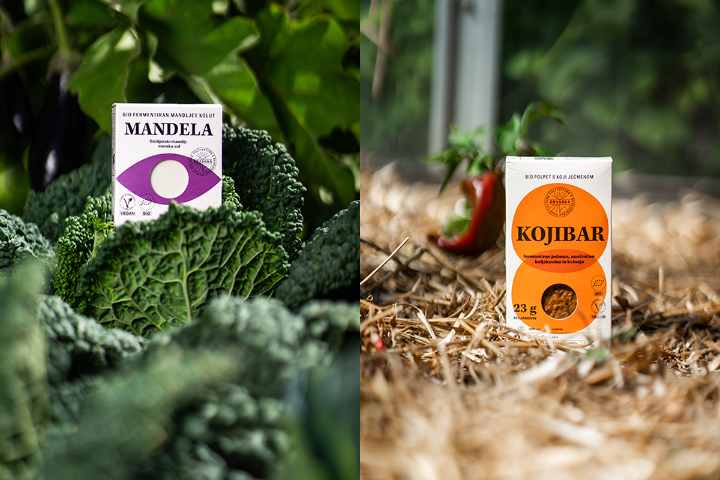
Of course, longevity is never the result of one ingredient or a single product.
But long-living communities remind us of something important: Often, the foods that support long-term health are also the simplest ones, minimally processed, nutritionally dense, and grounded in ingredients humans have eaten for generations.
Longevity starts with everyday choices
The ageing process is not determined by a single habit or one “perfect” health routine. It is shaped by the accumulation of small choices made consistently over time.
What we eat.
How we sleep.
How much we move.
How we manage stress.
How we support recovery.
These daily decisions have a cumulative effect on our health, metabolism, and quality of life.
And that is precisely why longevity is not a distant future concern.
It is shaped by how we choose to live today.

Long Live Moo
Long Live You
Sources & Further Reading
- World Health Organization (WHO), Decade of Healthy Ageing
- Herskind et al. (1996), Human Genetics
- Cryan et al. (2019), The Microbiota-Gut-Brain Axis.
- Blue Zones Official Website